BPC-157 and Tendon Repair: Evidence, Experimental Models and Material Selection
Review BPC-157 tendon studies, mechanical and cellular endpoints, FAK/paxillin and receptor findings, and specifications for a focused research order.
· 13 min readBPC-157 tendon and tissue research, model-specific evidence, experimental interpretation, and pilot-to-bulk material selection.
Review BPC-157 tendon studies, mechanical and cellular endpoints, FAK/paxillin and receptor findings, and specifications for a focused research order.
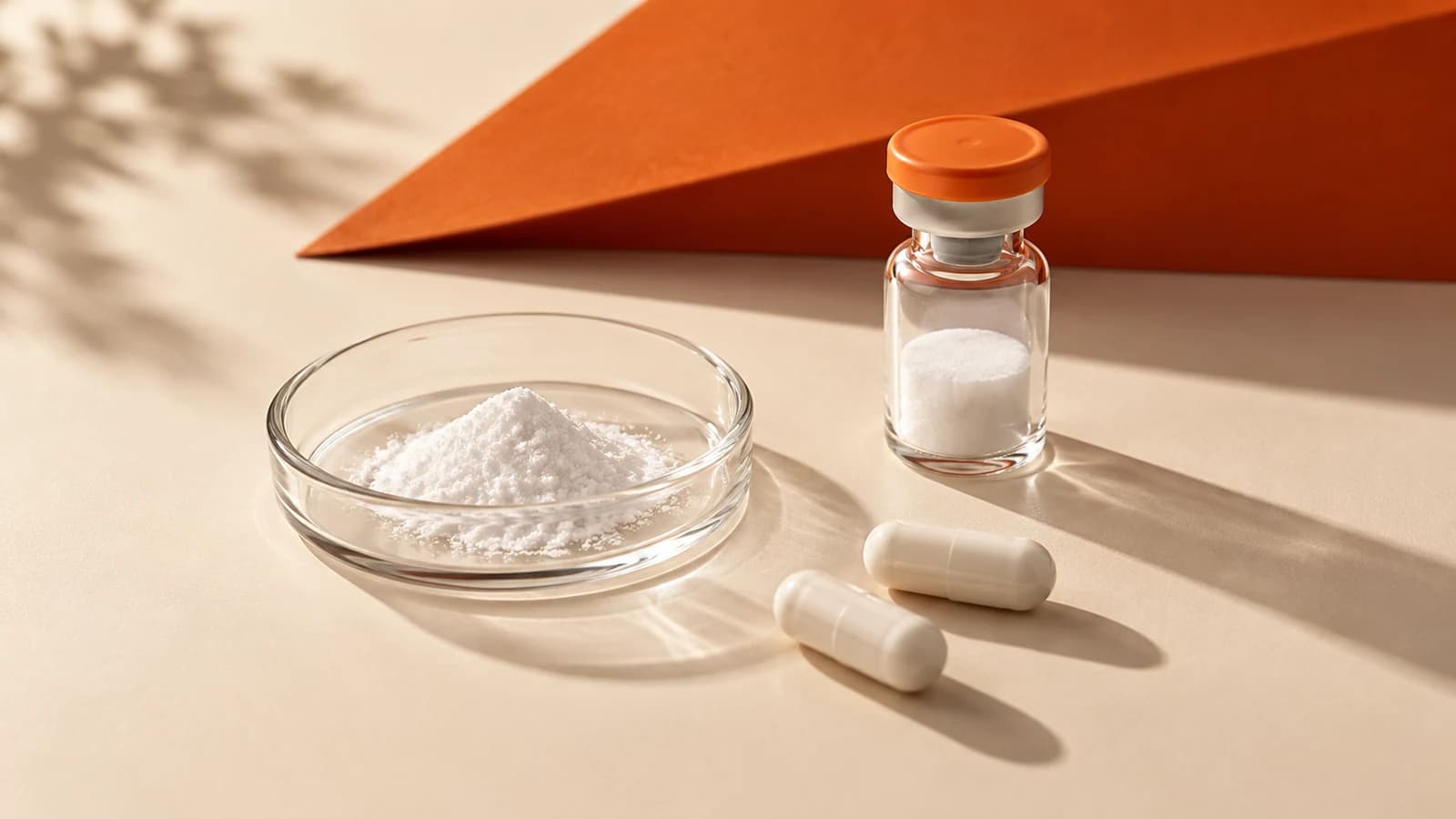
· 13 min readComparing oral BPC-157 capsules, arginate salts, and lyophilized vials? Learn the science of gastric stability, dosage label traps, and bioavailability differences.
· 7 min readNotice differences in your repeat BPC-157 orders? Learn why net peptide content, TFA salt residual, and reconstitution pH drift cause batch inconsistency.
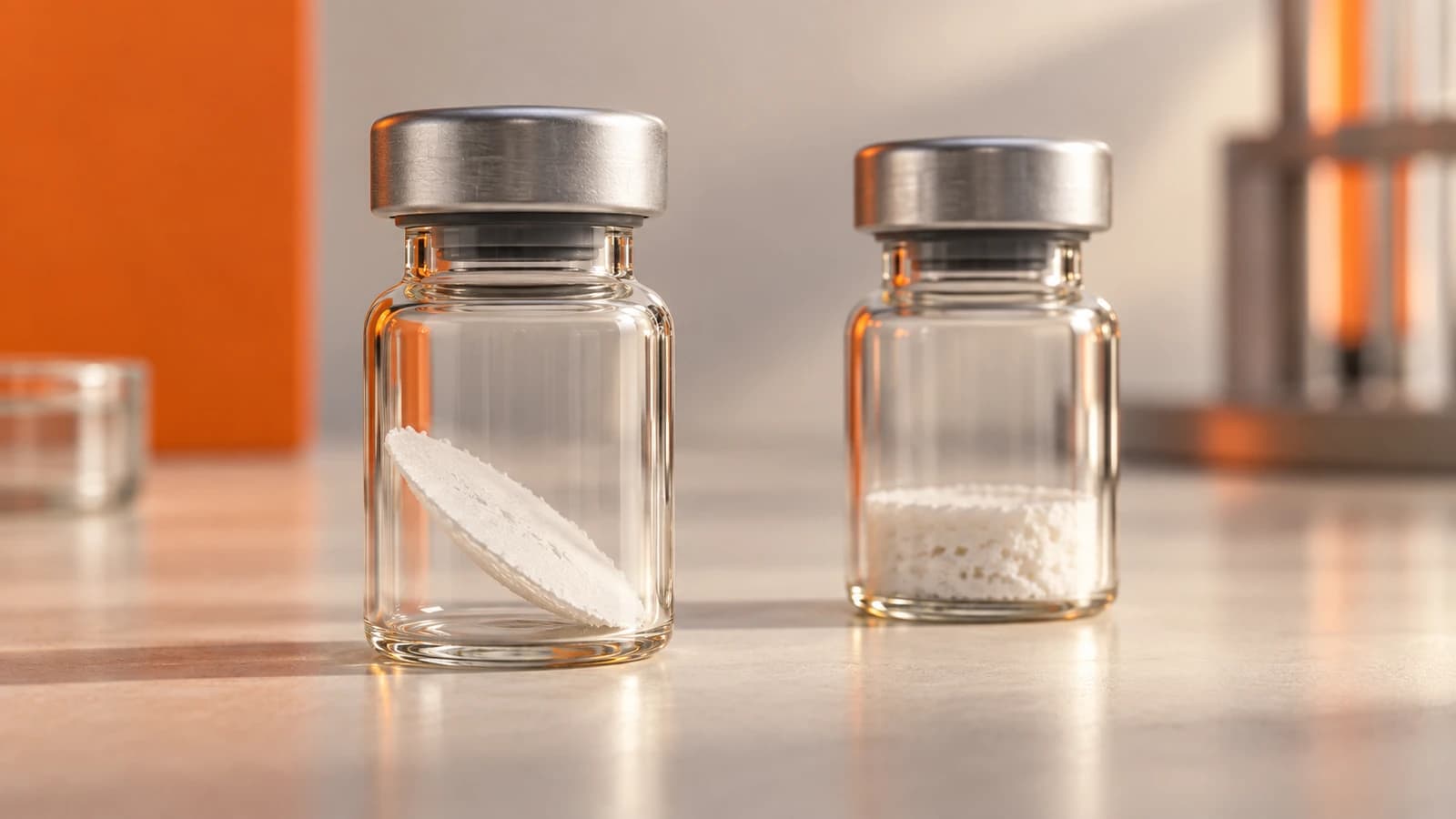
· 9 min readDiscover why your lyophilized BPC-157 or TB-500 peptide turned into a loose wafer instead of a solid cake. Learn how freeze-drying physics affects peptide appearance and why third-party COAs are the only true measure of purity.
· 4 min readWhat is the Deadpool peptide stack? Discover why BPC-157, TB-500, Cartalax, and KPV lack standard definitions and how to source high-integrity tissue regeneration compounds with Torapep.
· 3 min readNavigate cloudy BPC-157 reconstitution issues. Learn how to evaluate COA limitations, handle vendor returns, and verify peptide quality safely.
· 5 min readExplore why BPC-157 vials lack vacuum suction during unboxing. Learn about lyophilization physics, container closure integrity, COAs, and auditing research peptide quality.
· 4 min read